
Preparing for a Frenchie Swap
6 min read · Updated July 2026
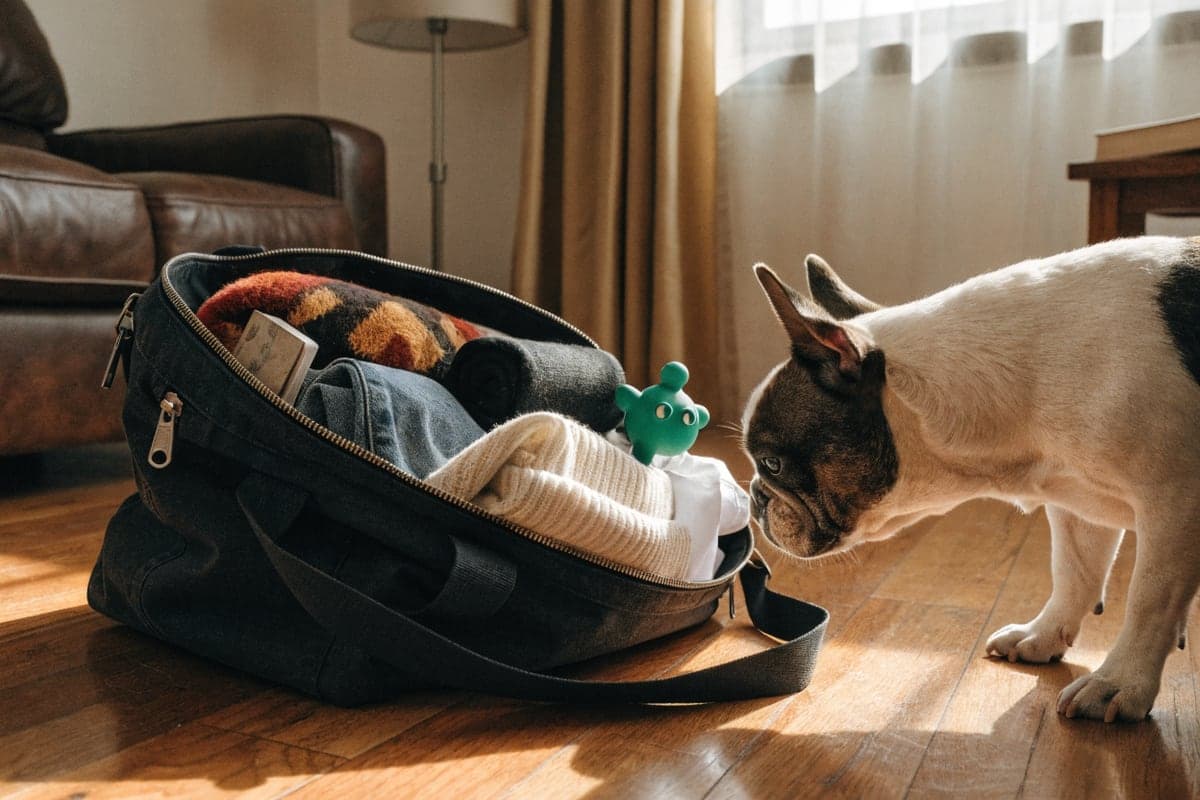
The best sitting stays start before drop-off, with a little prep that turns "hope the host figures it out" into a routine your dog barely notices has changed. Here's what actually helps, in the order it usually comes up.
The Frenchie Card, filled in for real
Don't leave fields blank because "it's probably fine" or "we'll explain it at drop-off." Fill in feeding amounts and timing, every care-field status (BOAS, IVDD/back, allergies, heat plan) as accurately as you'd want a stranger to know it, medication details if any, and a real emergency contact plus your preferred nearby vet. If you're not sure how to describe something, read the relevant guide rather than guessing at the wording; a specific, honest note serves your dog better than a vague reassuring one.
Packing list
- Food, pre-portioned if possible. A week's worth of exact meals in labeled bags removes guesswork for the host entirely; if that's not practical, send the food with clear measuring instructions (cup size, scoop count).
- Medication, in its original container, with the written routine attached even if you've already gone over it verbally at the meet-and-greet.
- A familiar bed or blanket. Something that smells like home helps a lot more than a brand-new item bought for the trip.
- A favorite toy, ideally one the dog already loves rather than something new and untested.
- Leash and harness your dog is already used to, especially if back-safety handling matters (see the IVDD guide).
- Any equipment tied to a care routine: a specific bowl, a cooling mat, a life vest if pool or beach time is part of the plan.
The days before
Nothing new right before a stay: no ingredient swap, no new toy that hasn't been tested, no schedule change "to get them ready." Consistency in the days leading up to drop-off makes the actual transition smaller, since your dog is only adjusting to one new thing (the environment) instead of several at once.
A calm drop-off ritual
Keep the goodbye itself short and low-key. A long, emotional goodbye telegraphs your own anxiety to your dog more than it reassures them; a brief, warm, matter-of-fact handoff (a quick pet, a "have fun," and you're out) tends to help a dog settle faster than a drawn-out one. Trust the meet-and-greet you already did; if it went well, the extra minutes at the door aren't adding useful information, just extra stress for both of you.
What to leave in writing, even if you've said it out loud
Anything time-sensitive (medication timing, a specific missed-dose instruction, an emergency contact) should exist in writing on the Frenchie Card, not only in a conversation the host has to remember days later. Verbal context is genuinely useful at the meet-and-greet, but writing is what the host will actually check on day three of a longer stay.
During the stay
Respond to check-ins reasonably promptly, especially anything flagged as worth a call rather than an emergency; a host trying to reach you about a borderline situation needs an answer, not silence, to make a good decision. If your own travel plans change, let the host know as soon as you can rather than leaving them guessing about pickup timing.
FAQ
How far in advance should I start preparing?
A few days is usually enough for logistics (portioning food, printing or filling in the Frenchie Card), but the meet-and-greet itself should happen well before drop-off day, not as a rushed first meeting.
What if my dog has never stayed anywhere but home before?
Say so plainly on the card and at the meet-and-greet. A first-time stay deserves a little extra patience from the host and a calmer, shorter first stay if possible, rather than starting with the longest trip you have planned.
Should I call to check in during the stay?
Whatever cadence you and the host agreed on at the meet-and-greet works; some owners want daily photos, others prefer to trust the process and hear from the host only if something comes up. Agree on this ahead of time so nobody's guessing.
Read the meet-and-greet checklist for the visit that sets all of this up, and what a dog-sitting swap actually is for the full picture of how the circle works.